The seam and the state of the leather decide how air clings to each side of the ball. When the two sides differ, the ball is pushed sideways. Wind-tunnel research explains how, and the Laws of Cricket set limits on what fielders may do to help it.
AI-generated image, not a photograph of a real person or place.
Seam angled, not upright
One side kept smooth
Speed changes everything
Air on two sides, two different stories
THE SHORT ANSWER
Two sides, two kinds of air.
Swing comes from an imbalance. The seam and the surface create it.
THE SEAM
A trip wire for air
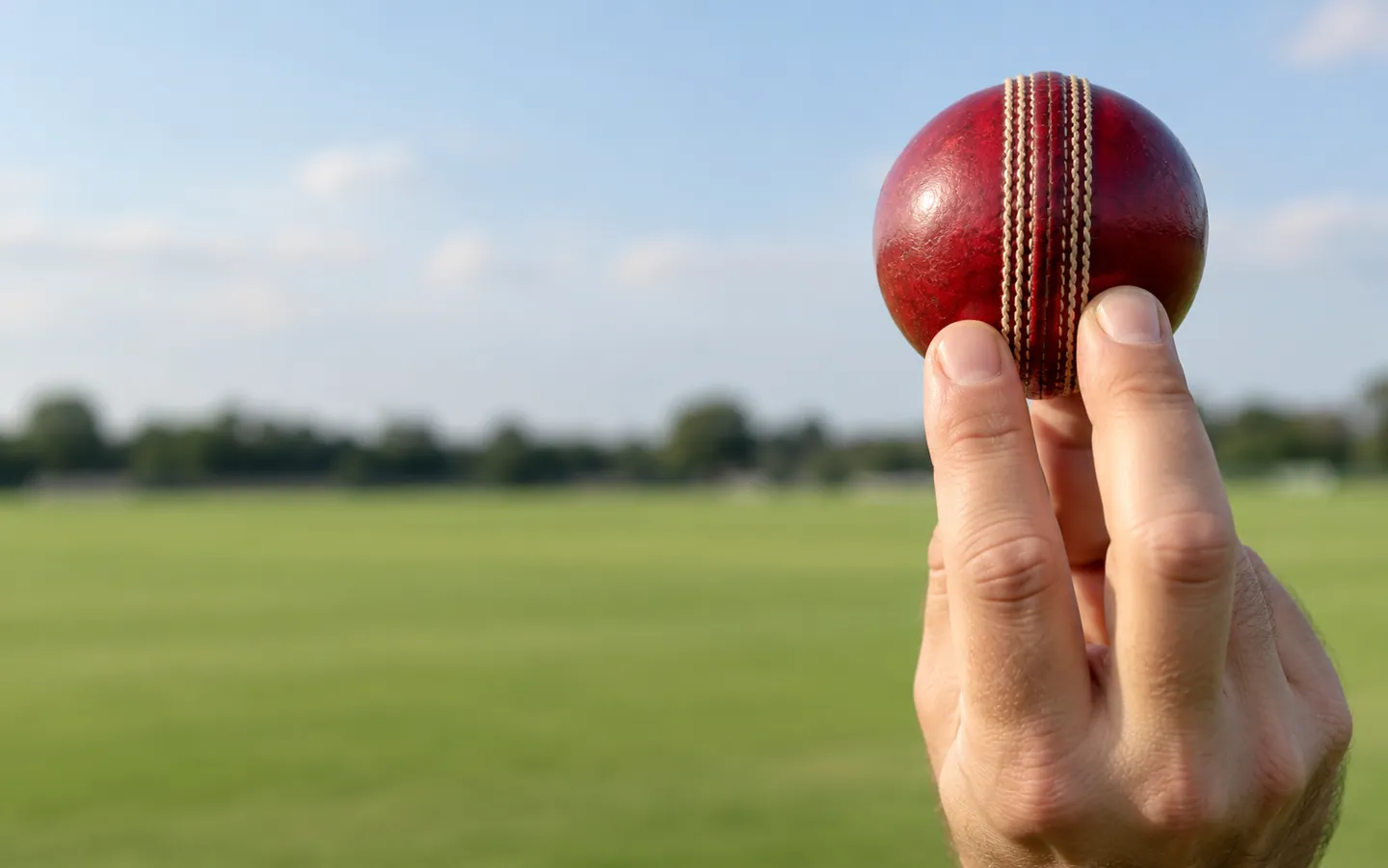
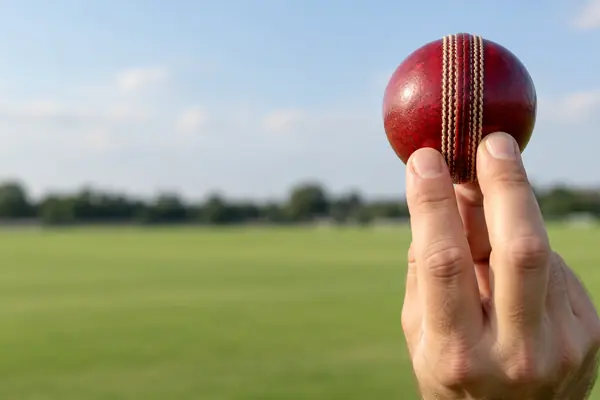
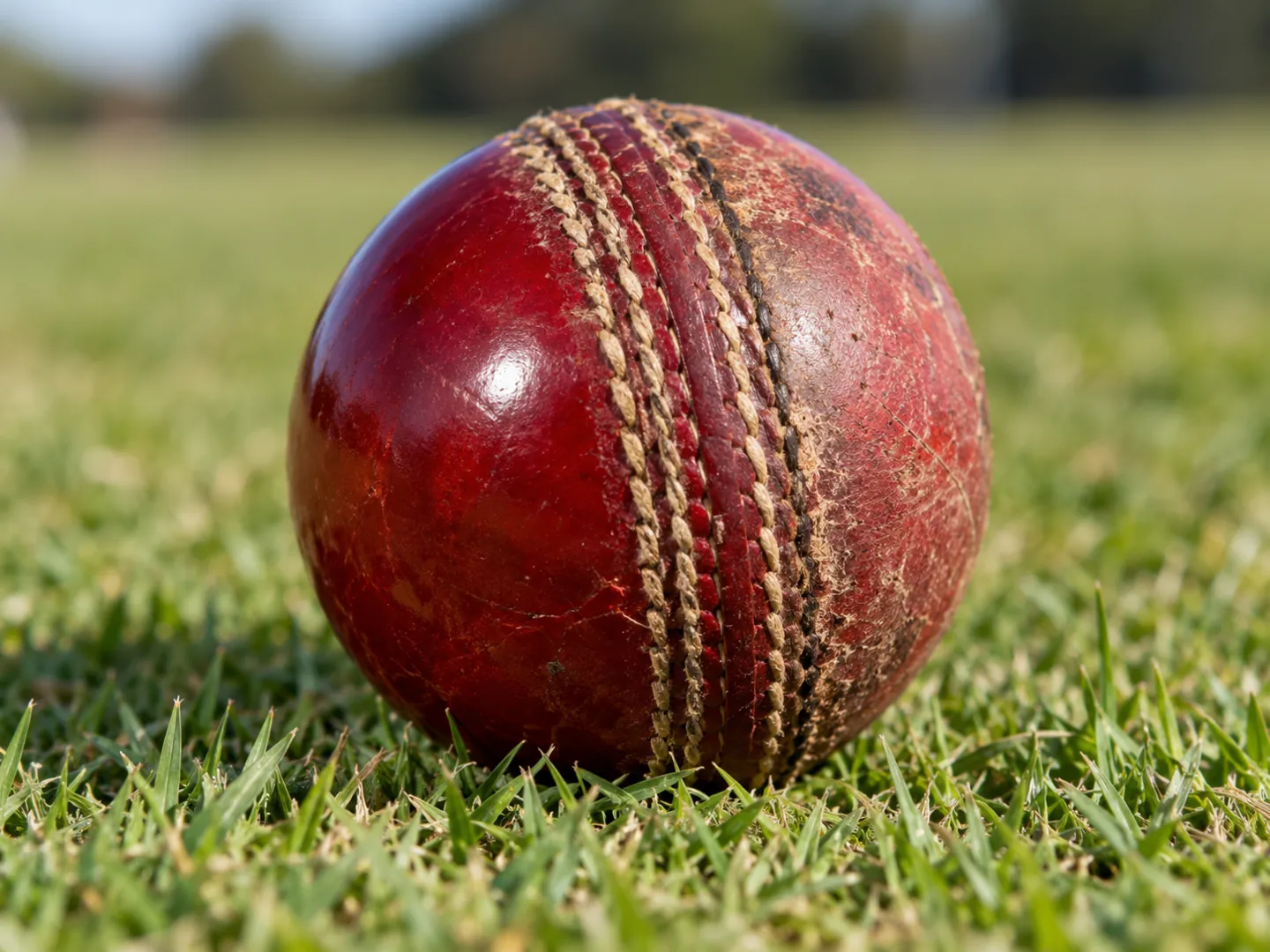
Bowled with the seam at an angle, the seam trips the thin layer of air on one side into turbulence. That layer clings on longer, so the ball is pushed towards the seam side.
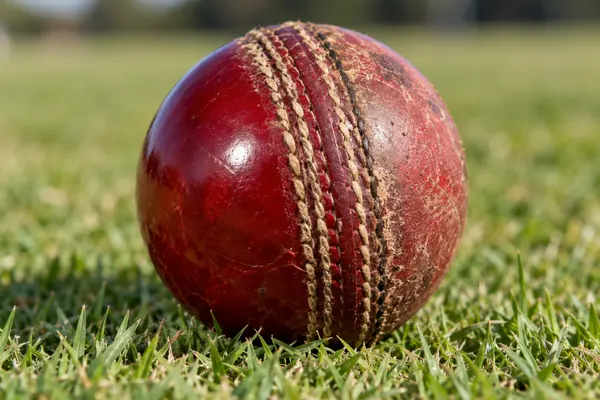
Conventional swing needs a smooth, polished side so the air there stays smooth and lets go early. Roughness changes where the air separates, which is why the ball's condition matters so much.
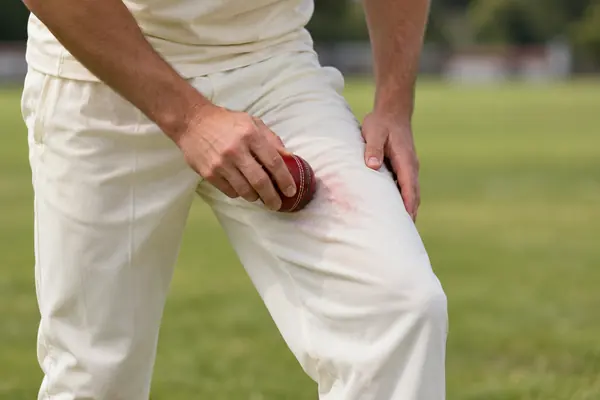
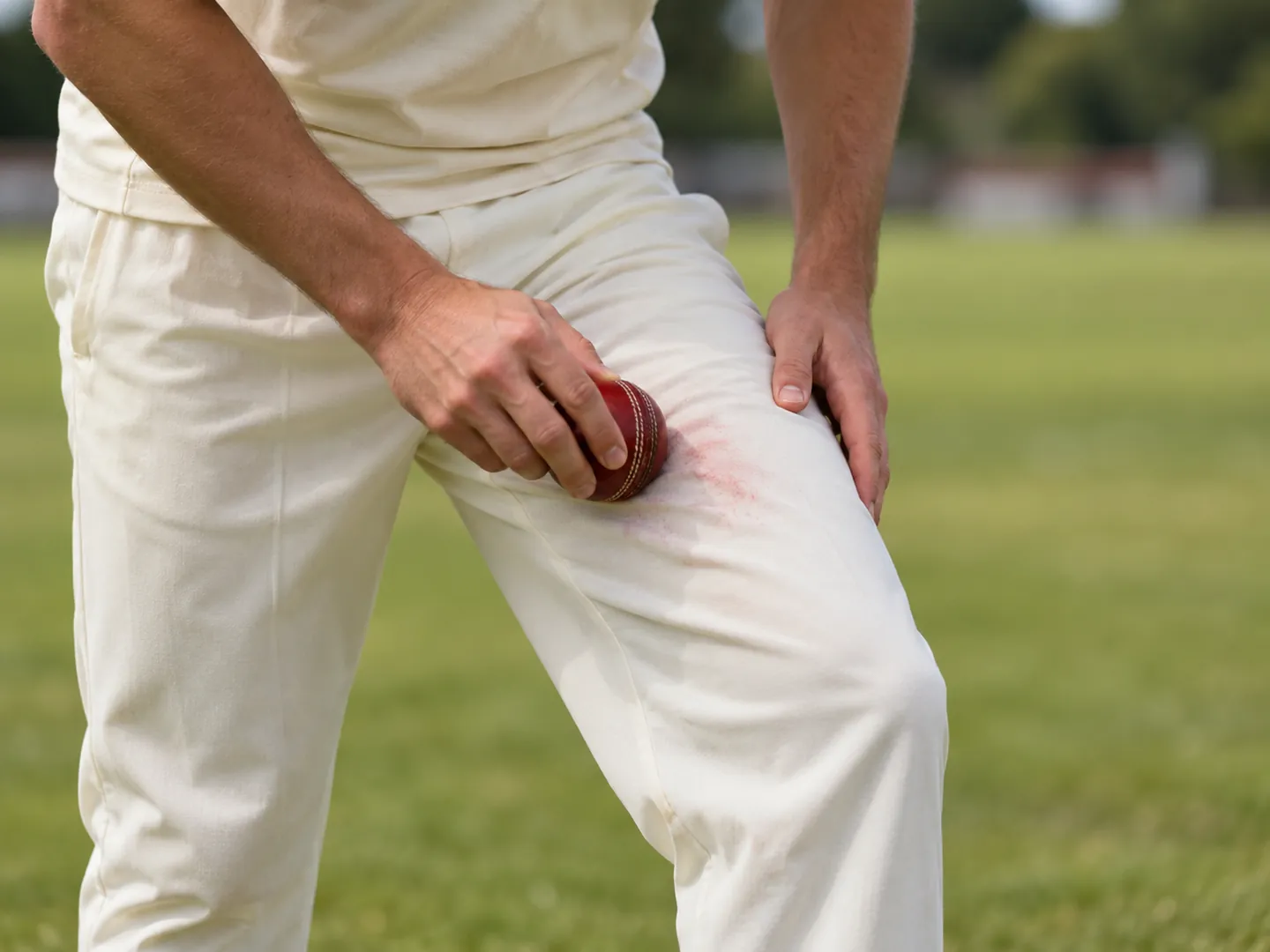
Under Law 41.3 a fielder may polish the ball on their clothing, but the only natural substance allowed is sweat. Saliva has been banned since the 2022 Code.
Pick a delivery to see what wind-tunnel tests found. The bar shows how much sideways force the tests measured, compared with the best case.
Based on wind-tunnel and projection tests summarised by NASA Ames researcher Rabindra Mehta (2000). Real deliveries also depend on spin, wind and the individual ball.
TWO NUMBERS WORTH KNOWING
Not the weather, the ball.
One figure on the best speed for swing, one on how little the air changes in a day.
≈ 67mph
Bowling speed for the most conventional swing
In wind-tunnel tests the sideways force on a new ball peaked at about 30 m/s (67 mph) with the seam angled at 20°, reaching about 0.3 of the ball's weight before falling off.
PEAK SWING · NASA AMES
≤ 2%
Change in the air's flow properties over a day
Typical changes in temperature and pressure through a whole day alter the air's density and viscosity, and so the flow over the ball, by no more than about 2%. Humid air is in fact less dense than dry air.
THE AIR · NASA AMES
A 2022 University of Cambridge engineering thesis, using conditions measured in field tests, found that conventional swing on new balls is greatest when both sides are smooth, and reverse swing is largest when the seam side has a fully turbulent layer of air.
FOUR THINGS TO WATCH
See the science from the boundary.
Next time you watch a match, these are the clues that the research says matter most.
Look at the seam in flight
A seam held steady at an angle is what trips the air on one side. A wobbling or upright seam gives little swing.
Watch the fielders shine it
Players rub one side on their trousers to keep it smooth. Law 41.3 allows this with sweat only, and it must waste no time.
Notice the ball's age
A new ball keeps its shine. As one side roughens, faster bowlers may start to get the ball to swing the other way.
Count the overs
In matches of more than one day, the fielding captain may take a new ball once 80 overs have been bowled with the old one.
AI-generated image, not a photograph of a real person or place.AI-generated image, not a photograph of a real person or place.
REVERSE SWING
When the ball goes the other way.
At higher speeds, or on a ball with a rough surface, the air turns turbulent on both sides. The seam then thickens the layer of air on its own side, which lets go earlier, so the ball swings towards the smooth, non-seam side instead.
That is why the Laws police the ball's condition. Under Law 41.3 it is an offence for any player to change the condition of the ball beyond what is allowed; if umpires find it has been unfairly changed, they award 5 penalty runs and the opposing captain may ask for a replacement ball with comparable wear.
Questions
Questions people ask
Does a cricket ball swing more on a cloudy or humid day?
Wind-tunnel tests have not shown it. Balls kept at 75% humidity and tested dry, humid and wet showed no increase in side force, and changes of up to 40% in relative humidity made no measured difference.
Why do bowlers shine only one side of the ball?
Conventional swing needs a contrast: a smooth side where the air stays smooth and separates early, and a seam side where it becomes turbulent and clings on. Keeping one side polished preserves that contrast.
Can players use saliva to shine the ball?
No. Since the 2022 Code of the Laws, saliva is treated like any other unfair way of changing the ball. MCC noted that during COVID-19 bans, sweat proved equally effective and swing barely changed.
How heavy is a cricket ball?
Under Law 4 of the 2026 edition, a new Size 1 ball weighs 156 to 163 g and measures 22.4 to 22.9 cm round. Sizes 2 and 3 are smaller and lighter.
Is reverse swing the same as ball tampering?
No. Reverse swing is a natural effect of speed and surface roughness, and tests show it even on a new four-piece ball above about 80 mph. Tampering means changing the ball's condition in ways the Laws do not allow.